Body Composition Testing and Tracking in London
Understanding what your weight is actually made of, and using that to judge a training block instead of relying on a number that moves for the wrong reasons.
- Four clubs, 4 minutes or less from a station
- Open from 06:00 on weekdays
- Your rate confirmed in writing first

Overview
What is body composition?
Body composition is the split of your body weight into fat mass, lean tissue, bone and water. Two people at the same height and weight can carry very different proportions of each, which is why weight on its own says so little about how someone looks, lifts or feels. A transformation block is a change in composition, so composition is what it should be judged on.
In practice that means tracking a small set of things that move for the right reasons: waist and limb measurements taken the same way each time, working strength on the main lifts, and photographs taken in the same light and clothing. Together those give a reliable read on whether fat is coming off and lean tissue is being held, which is the whole question.
Every practical measurement method carries an error margin, and the honest use of any of them is to watch the trend rather than trust a single reading. Consistency of method matters far more than the precision of the method, and that is worth being clear about before anyone quotes you a body fat percentage to one decimal place.
What tracking composition tells you
Whether the loss is fat or muscle
Weight falling tells you nothing about what was lost. Measurements and strength together tell you whether the block is doing what it was built to do, which is the only question that matters.
Why a flat scale can be good news
During a recomposition, fat lost and muscle gained can cancel out almost exactly on the scale. Reading composition instead is what stops a working block being abandoned in week six.
A consistent method
Same time of day, same conditions, same measurer, same clothing for photographs. Consistency of method is what makes a comparison across twelve weeks worth anything at all.
A trend rather than a reading
Every practical method has an error margin. Watching the direction across several data points is the honest way to use any of them, and it is how the reviews are run.
Evidence for the next decision
The choice between another fat-loss phase, a muscle-building phase or a maintenance period is made against what the measurements show rather than against how the last few weeks felt.
What gets in the way
How to measure body fat
- Scale weight moves with hydration, food volume and salt, so it hides composition change instead of showing it
- Measurements taken at different times of day, or by different people, are not comparable to each other
- Photographs taken in different light and different clothing cannot be compared honestly
- A single reading from any method is treated as precise rather than as one point in a trend
- Strength numbers are not logged, so the clearest evidence that lean mass is holding goes unrecorded

When should you see a GP about your waist measurement?
The NHS advises keeping your waist to less than half your height, and seeing a GP if you are overweight and your waist is more than half your height, so a GP can check your blood pressure, blood sugar and cholesterol alongside it. See your GP promptly about weight loss you did not plan, and talk to your GP or Beat before tracking body composition if eating has ever been a struggle.
Use NHS 111 for urgent advice that is not an emergency, and 999 for chest pain or fainting during exercise.
What is a healthy body fat percentage?
There is no single healthy figure: it differs for men and women, shifts with age, and every practical method reads it with an error of several points. Body Transformation London uses the direction of your own readings, taken the same way each time, rather than a number from a chart.

- Women carry more essential fat than men, so the same percentage means different things.
- Tape measurements at fixed sites, taken by the same person, are cheap, repeatable and honest about trend.
- Bioelectrical impedance scales move with hydration, so read them at the same time of day.
- DEXA is a clinical imaging method; it is not offered here and is not needed to run a block.

What does body composition tracking cost in London?
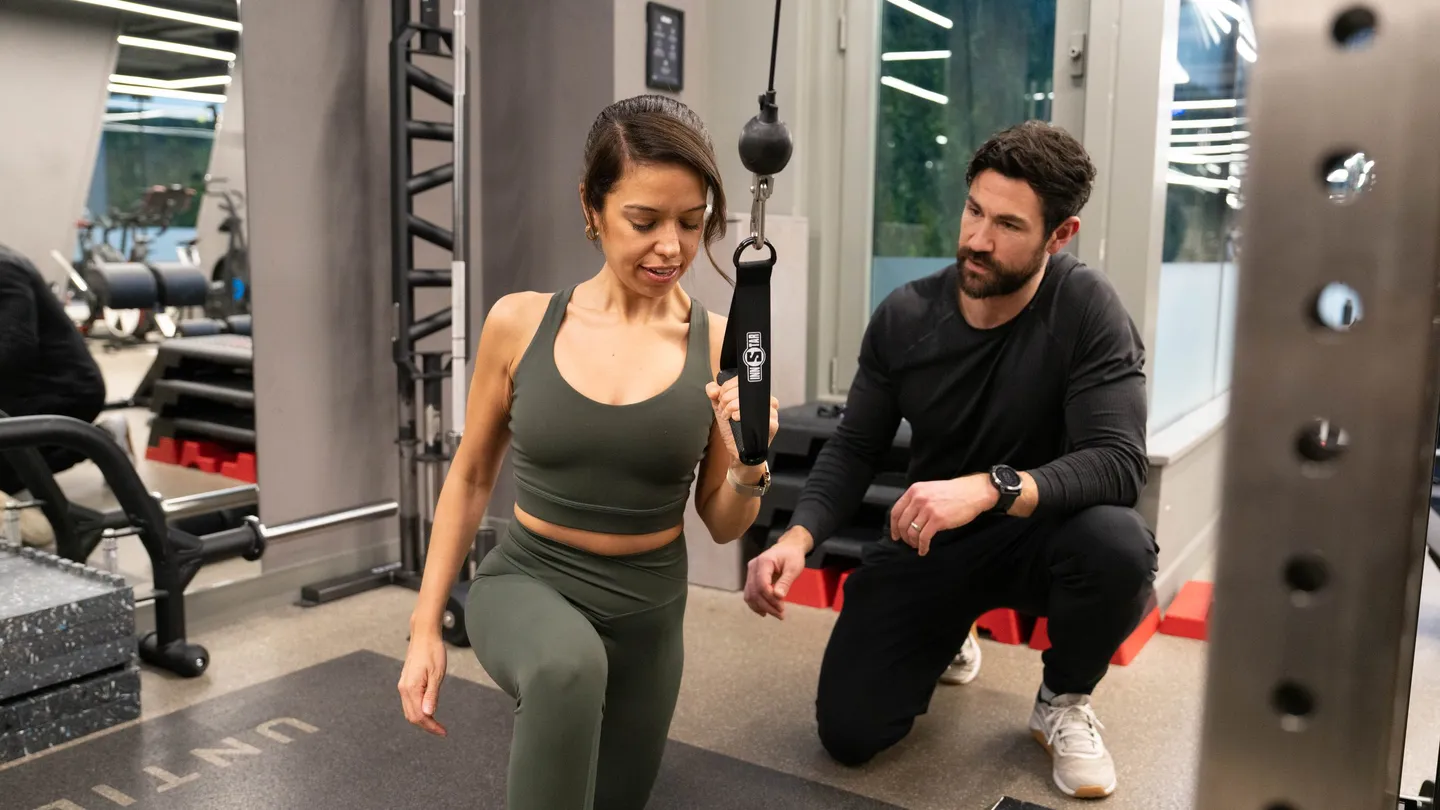
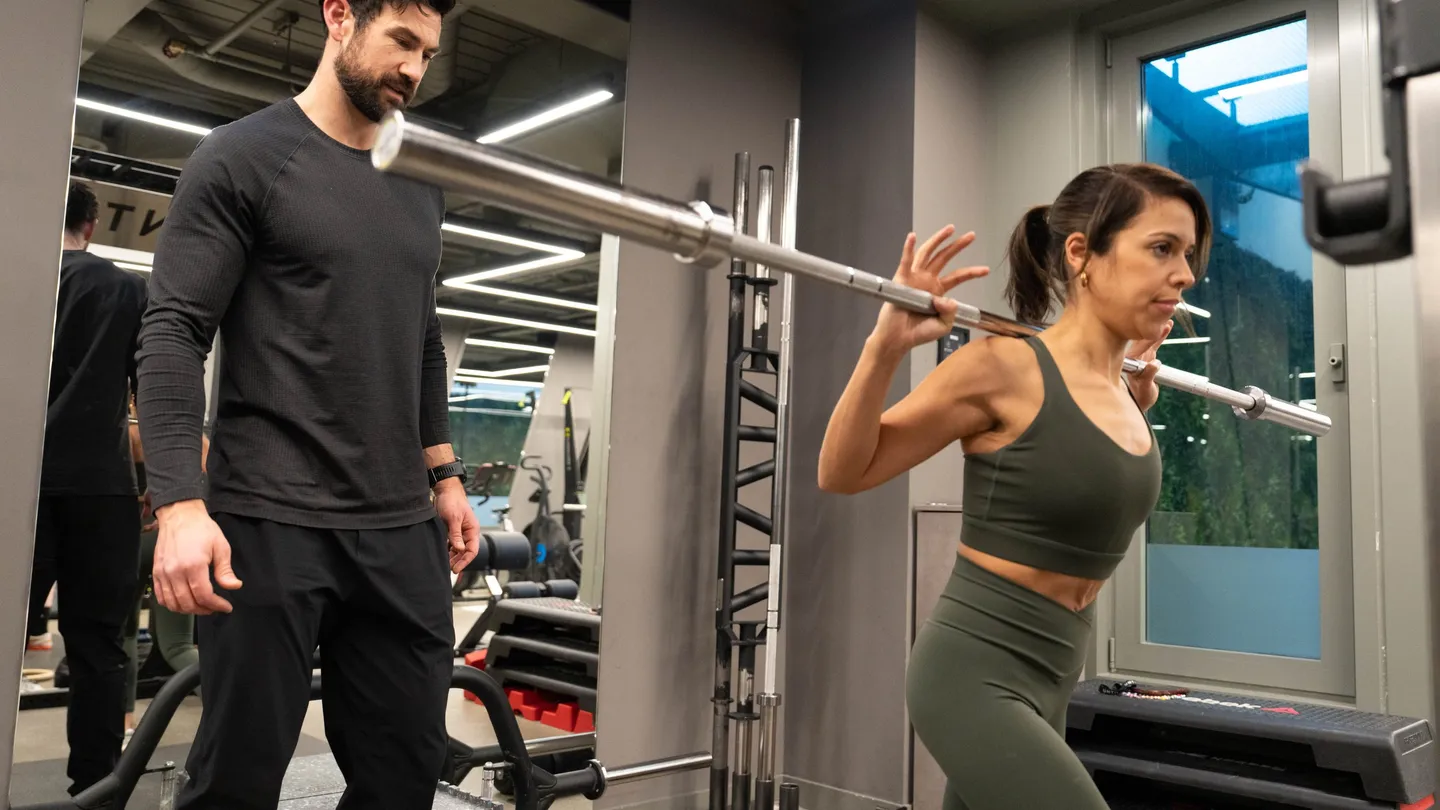
Body Transformation London sells no body composition test. Measurements, strength and photographs are taken inside a coached block, as part of 1-2-1 personal training in London with nutrition coaching alongside. Coaches who publish rates for sessions at the UNTIL clubs charge about £80 to £130 a session (read 30 September 2026), and your coach confirms theirs in writing before you commit.
How it works
How body composition is used in a block
1-2-1 Personal Training
Rate set by your coachWorking strength across the block is one of the most practical indicators that lean mass is being held, and it is logged every session.
See treatment detail →Nutrition Coaching
Rate set by your coachEnergy intake and protein are the two levers that decide whether a change in weight comes from fat or from muscle, and both are set and reviewed against your measurements.
See treatment detail →FAQ
Body composition
FAQs
How is body fat measured?
Practical options include tape measurements at fixed sites, skinfold callipers and bioelectrical impedance. Each carries an error margin and each is affected by hydration and timing, so the trend across consistent readings is what gets used rather than any single figure.
Should I weigh myself every day?
Daily is fine as long as you read the week rather than the day. Weight swings a kilogram between two mornings on salt and food volume, so a single reading carries almost no information and a seven-day average carries most of it. Body Transformation London treats the scale as the least useful of its four measures.
Do you offer DEXA scanning?
No. DEXA is a clinical imaging procedure and it is not available through Body Transformation London or at the clubs training runs from. If you want a DEXA reading, arrange it independently and bring the result. Blocks here are tracked with measurements, strength logs and repeatable photographs.
What is a good body fat percentage?
It varies widely with sex, age and training history, and any single figure quoted as universally ideal should be treated with suspicion. The more useful question for a training block is the direction your own measurements are moving and whether strength is holding as they move.
Why not just use the scale?
Weight moves with hydration, food volume and salt from one day to the next, and none of that is composition. It is recorded as one input among several, but a block that adds muscle while losing fat is precisely the case where weight is least informative.
Related Goals

Get Started
Book body transformation coaching in London.
A coach is matched to your goal and your club.
Body Transformation London • UNTIL, 111 Charing Cross Road, London WC2H 0DT
Start a BlockEvery enquiry is read by UNTIL Health Concierge, who match you with a coach. Rates are confirmed in writing before you commit.